Senior monitoring devices
The landscape of senior care has evolved dramatically with the emergence of sophisticated monitoring technologies. These devices range from simple emergency alert pendants to complex systems that passively track vital signs and detect behavioral changes. For families seeking to support aging loved ones while respecting their independence, understanding the full spectrum of available options can feel overwhelming.
Senior monitoring devices serve multiple purposes beyond immediate emergency response. They provide peace of mind for distant family members, enable earlier detection of health deterioration, and help seniors remain safely in their own homes longer. Yet choosing the right technology requires balancing technical capabilities, user acceptance, privacy concerns, and practical considerations like battery life and coverage range.
This comprehensive overview explores the core categories of monitoring technology, the features that matter most in real-world use, and the human factors that determine whether these devices truly enhance quality of life or simply add complexity to daily routines.
Understanding Different Types of Monitoring Technology
The market offers distinct categories of monitoring devices, each designed to address specific safety and health concerns. Recognizing these fundamental differences helps families match technology to actual needs rather than purchasing based on marketing promises.
Emergency Response Systems and Personal Alarms
Personal Emergency Response Systems, commonly known as PERS devices, represent the most established category of senior monitoring technology. These systems typically include a wearable button that connects to a base station, allowing seniors to summon help during falls, medical emergencies, or security concerns. The user presses the button, which triggers a two-way voice connection with a monitoring center staffed around the clock.
Modern PERS have evolved beyond the traditional “necklace button” design. Options now include watch-style devices, belt clips, and even voice-activated systems that respond to spoken commands. Some incorporate automatic fall detection using accelerometers and gyroscopes, which can alert responders even when the wearer is unconscious or unable to press a button.
Passive Biometric and Activity Monitoring
A newer category focuses on continuous, unobtrusive tracking of health metrics and daily patterns. These systems use wearable sensors, smart home devices, or environmental monitors to collect data without requiring active participation from the senior. Think of it as having a vigilant observer who never sleeps but never intrudes—the technology quietly notes when someone wakes, moves through the house, or deviates from established routines.
These passive systems excel at identifying gradual changes that might signal cognitive decline, depression, or emerging medical conditions. A decrease in bathroom visits might indicate dehydration; reduced mobility could precede a fall; disrupted sleep patterns often accompany pain or anxiety. The technology creates a baseline of “normal” behavior, then flags statistically significant deviations for family review.
Comparing Tracking Focus and Capabilities
When differentiating service types, consider what each system actually monitors:
- Location-focused devices use GPS to track movement outside the home, valuable for individuals with dementia who may wander
- Vital sign monitors track heart rate, blood pressure, oxygen saturation, and sometimes ECG data for those with chronic conditions
- Environmental sensors detect smoke, carbon monoxide, unusual temperatures, or water leaks without requiring wearables
- Integrated platforms combine multiple data streams—medication adherence, activity levels, sleep quality—into unified dashboards
Key Technical Features That Impact Daily Use
Marketing materials emphasize capabilities, but practical reliability depends on technical specifications that often receive less attention. These factors determine whether a device functions when actually needed or becomes a source of frustration.
Battery Life and Charging Requirements
Perhaps no feature impacts user experience more directly than battery management. Devices requiring daily charging create compliance challenges for seniors with memory issues or limited dexterity. A device uncharged is a device useless during emergencies.
Battery life varies dramatically by device type. Simple PERS pendants may last months on a single charge, while GPS-enabled trackers with cellular connectivity often require charging every few days. Some systems use rechargeable batteries with dock stations; others use replaceable batteries that may require professional service. For seniors living alone, devices with weekly or monthly charging cycles prove more reliable than those demanding daily attention.
Coverage Range and Connectivity
Testing coverage range before commitment prevents dangerous gaps in protection. Home-based systems typically use a combination of technologies: cellular networks for base station communication, WiFi for data transmission, and radio frequency for wearable-to-base connections. Each has range limitations.
The wearable button might work perfectly in the living room but fail to connect from the backyard or basement. Mobile devices depend on cellular coverage, which can be spotty in rural areas or inside buildings with thick walls. Always verify that the specific device works throughout the actual spaces where the senior spends time—including outdoor areas like gardens or mailboxes where falls commonly occur.
Water Resistance and Durability
Approximately 80% of falls in senior populations occur in bathrooms, making water resistance a critical safety feature rather than a luxury option. Checking water resistance ratings ensures the device remains functional when worn in the shower, during handwashing, or in humid environments.
Look for devices rated IP67 or higher, indicating they can withstand temporary immersion. Some manufacturers claim “splash resistance” without providing specific ratings—vague terminology that may mean the device fails when actually needed. Durability also matters for drop resistance, as devices worn daily will inevitably be bumped, dropped, or knocked against surfaces.
Health Tracking and Medical Integration
Advanced monitoring devices increasingly function as health management tools rather than simple emergency alerts. This evolution creates opportunities for earlier intervention and better chronic disease management, but also raises questions about data interpretation and medical oversight.
Tracking Sleep Quality and Daily Patterns
Sleep disruption often serves as an early indicator of physical or mental health changes in older adults. Monitoring devices that track sleep quality measure movement, heart rate variability, and sometimes breathing patterns to assess sleep stages and identify abnormalities.
These systems can detect sleep apnea episodes, frequent nighttime bathroom visits suggesting prostate issues or diabetes, or restlessness indicating pain or anxiety. Over weeks and months, the data reveals patterns invisible to casual observation—the gradual decline in deep sleep, the increasing time to fall asleep, or the correlation between poor sleep and next-day mobility.
Passive Biometric Tracking for Health Trends
Continuous biometric monitoring transforms isolated measurements into longitudinal health narratives. Rather than a single blood pressure reading at a doctor’s office, families and clinicians can review weeks of data showing how readings vary by time of day, activity level, or medication timing.
This approach proves particularly valuable for conditions requiring careful titration of medications, like heart failure or hypertension. It also enables detection of gradual deterioration—the slowly climbing resting heart rate, the declining oxygen saturation during exertion, or the increasing heart rate variability that might signal arrhythmias. The technology doesn’t replace medical care but provides clinicians with richer information for treatment decisions.
Integrating With Doctors and Healthcare Providers
The value of collected data multiplies when it flows seamlessly into existing healthcare workflows. Some monitoring platforms offer direct integration with electronic health records, allowing physicians to review trends during appointments without relying on patient recall or fragmented reports.
Before selecting a device, verify compatibility with the senior’s healthcare providers. Some medical practices actively embrace patient-generated data; others lack systems to incorporate external monitoring information. The most sophisticated device provides limited benefit if its data remains siloed from clinical decision-making. Improving compliance with treatment plans often depends on this integration—when doctors can see actual medication adherence and physiological responses, they can offer more personalized guidance.
Supporting Emotional Well-Being Through Technology
Technical capabilities matter little if devices create anxiety rather than alleviating it. The psychological impact of monitoring technology depends heavily on implementation approach, communication patterns, and the senior’s perception of control versus surveillance.
For many seniors and their families, the greatest benefit of monitoring devices lies in reducing anxiety through remote monitoring. Adult children living far from aging parents often experience persistent worry—did mom take her medications, has dad fallen, is she eating properly? Monitoring technology provides reassurance that major problems will trigger alerts, reducing the compulsion to make daily check-in calls that can feel intrusive to independent seniors.
Reducing nighttime anxiety proves particularly valuable. Many seniors fear falling at night when help may be hours away. Others worry about medical emergencies like heart attacks or strokes occurring during sleep. Knowing that automatic detection systems or easily accessible emergency buttons provide immediate access to help allows more restful sleep for both seniors and their concerned family members.
Building trust in technology requires patience and education. Many older adults feel skeptical about digital devices, viewing them as unreliable or unnecessarily complicated. Successful adoption often depends on starting with simpler systems, demonstrating reliability through actual use, and gradually introducing more sophisticated features as comfort grows. Involving seniors in device selection and setup decisions, rather than imposing monitoring unilaterally, substantially improves acceptance and consistent usage.
Privacy, Ethics and Effective Communication
The same technologies that enhance safety also create potential for privacy erosion and ethical dilemmas. Thoughtful families must balance protection with autonomy, transparency with dignity.
Ensuring Data Privacy and Security
Monitoring devices collect intimate details about daily life—movement patterns, health fluctuations, even conversations if systems include voice monitoring. Ensuring data privacy requires understanding how information is stored, who can access it, and what protections exist against breaches.
Key questions to ask providers include: Is data encrypted during transmission and storage? Are servers located in jurisdictions with strong privacy laws? Can the senior control who receives alerts and accesses historical data? What happens to collected information if the service is discontinued? Devices that store data locally rather than in cloud systems offer greater privacy but less accessibility for remote family members—a trade-off requiring conscious choice based on priorities.
Navigating Ethical Boundaries
Monitoring technology forces families to confront difficult questions about autonomy and protection. At what point does helpful monitoring become infantilizing surveillance? Should families intervene when data suggests poor choices—irregular medication adherence, excessive alcohol consumption, risky activity patterns—or respect the senior’s right to make decisions, even potentially harmful ones?
Ethical implementation requires transparent communication about what is monitored and why. Secret tracking, even when motivated by genuine concern, damages trust and dignity. Establishing clear protocols in advance—what deviations trigger alerts, who receives notifications, when family members will intervene versus simply observe—helps prevent reactive decision-making during crises.
Centralizing Communication and Managing Alert Fatigue
Multiple monitoring systems can generate overwhelming volumes of alerts, many representing false positives or minor deviations that require no action. Managing alert fatigue is essential to maintaining responsive oversight without burning out caregivers.
Centralizing communication through unified platforms helps families triage notifications more efficiently. Rather than receiving separate alerts from medication dispensers, motion sensors, vital sign monitors, and emergency buttons, integrated systems prioritize notifications based on actual urgency. They distinguish between “information to review when convenient” and “immediate action required.”
Thoughtful alert configuration reduces false alarms. Systems that learn individual patterns produce fewer spurious warnings than those applying generic thresholds. A senior who naturally runs a lower body temperature shouldn’t trigger hypothermia alerts; someone who regularly exercises might have elevated heart rates that would concern doctors in sedentary individuals. Customization transforms monitoring from a source of constant anxiety into a reliable safety net that activates only when genuinely needed.
Selecting appropriate monitoring technology requires understanding not just device capabilities, but how technical features, health needs, emotional factors, and ethical considerations intersect in individual circumstances. The most effective approach often combines multiple complementary technologies—emergency response for acute crises, passive monitoring for trend detection, and open communication to maintain dignity and trust. When implemented thoughtfully, these tools genuinely enhance independence rather than signaling its loss.
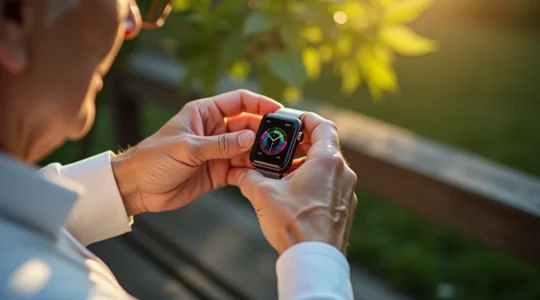
How to Use Wearables to Detect Heart Arrhythmias Early?
The true value of a wearable device for arrhythmia detection lies not in its passive alerts, but in its ability to generate a continuous, clinically relevant data stream that empowers you and your cardiologist. Heart Rate Variability (HRV) measured during…
Read more
How to Choose a Medical Alert System That Works Outside the Home?
Choosing the right mobile medical alert system isn’t about finding the most features; it’s about building a ‘trust ecosystem’ that supports your independence without creating new anxieties. The system’s reliability depends on a chain of factors: professional monitoring, accurate location…
Read more
How to Monitor a Senior’s Safety Without Being Intrusive?
True peace of mind comes not from watching your parent, but from co-creating a system of trust that uses technology to support their independence. Open dialogue and written privacy agreements must precede the installation of any monitoring device. Intelligent alert…
Read more