
A positive aging mindset is not wishful thinking; it is a direct biological tool that can add measurable, high-quality years to your life.
- Shifting your perspective on aging physically rewires your brain through a process called neuroplasticity, even in your 90s.
- Building purposeful social connections actively strengthens your immune system and dramatically reduces health risks.
Recommendation: Begin today by actively reframing your internal narrative about aging and deliberately cultivating one new, meaningful social activity.
The transition into our senior years often comes with a narrative of decline. We’re told to expect slowing down, winding down, and stepping back. The common advice revolves around managing symptoms: eat a balanced diet, get some light exercise, and keep your mind busy with puzzles. While well-intentioned, this advice misses the single most powerful tool you have at your disposal: your mindset. It treats aging as something that happens *to* you, rather than a process you can actively and powerfully shape.
But what if the key to a long, vibrant life wasn’t just about managing physical decline, but about unleashing a profound psychological and biological force? What if your beliefs about aging could directly influence your cardiovascular health, your immune function, and even the physical structure of your brain? This isn’t a motivational platitude; it’s a scientific reality. The mind-body connection is not a vague concept but a tangible, measurable system that you can learn to leverage for a longer, healthier, and more purposeful life.
This guide moves beyond the surface-level tips. We will explore the science-backed mechanisms that link your mindset to your lifespan. We will uncover how to dismantle common emotional traps, rebuild a thriving social world, and harness the incredible, lifelong power of your brain to not just age, but to flourish.
To give you a glimpse into the body’s remarkable ability to adapt and thrive, the following video explores the physiological journey of aging. It provides a visual complement to the powerful mindset strategies we are about to uncover, showing how your body is built for the adventure ahead.
To help you navigate these powerful concepts, this article is structured to guide you from the foundational science to practical, everyday actions. You will discover not only why a positive mindset works, but exactly how to implement it in your life.
Summary: A Guide to Cultivating a Life-Extending Mindset for Aging
- Why Optimism Reduces Cardiovascular Events in Seniors by 35%?
- How to Rebuild a Social Network After Retirement Isolation?
- The Emotional Trap of Nostalgia That Leads to Senior Depression
- How to Fix Sleep Fragmentation Issues Without Prescription Medication?
- When to Embrace the “Senior” Label to Access Better Resources?
- Why Social Interaction Boosts Immune System Function by 20%?
- Why the Brain Can Still Grow New Connections at Age 90?
- How to Detect the Physical Symptoms of Chronic Isolation in Loved Ones?
Why Optimism Reduces Cardiovascular Events in Seniors by 35%?
Optimism is often dismissed as a personality trait, but a growing body of evidence reveals it’s a powerful form of biological protection. It’s not about ignoring life’s challenges, but about holding a fundamental belief that your actions matter and that good outcomes are possible. This mental stance has profound, measurable effects on your physical health, particularly your heart. When you cultivate optimism, you are actively engaging in a form of preventative medicine.
The mechanism is rooted in the mind-body connection. Optimistic individuals tend to exhibit healthier behaviors; they are more likely to be physically active, eat nutritious food, and maintain strong social ties. More directly, a positive outlook helps buffer the body from the damaging effects of stress. It lowers inflammation, reduces the production of stress hormones like cortisol, and improves blood pressure regulation. This isn’t just theory; the numbers are compelling. A major meta-analysis involving over 229,000 participants confirmed that optimists have a significantly lower risk of heart-related issues. The study found that individuals with a positive mindset had a 35% lower risk of cardiovascular events compared to their pessimistic peers.
This statistic is a powerful reminder that your mindset is not a soft skill; it’s a critical health asset. Cultivating an optimistic outlook is as crucial as monitoring your cholesterol. It involves actively choosing to focus on what you can control, practicing gratitude for positive aspects of your life, and reframing setbacks as temporary and surmountable. By doing so, you’re not just improving your mood; you’re building a physiological shield around your heart.
How to Rebuild a Social Network After Retirement Isolation?
Retirement, career changes, and friends moving away can leave our social worlds feeling smaller and quieter. It’s easy to fall into a routine that, while comfortable, is also isolating. Rebuilding a social network is not about recreating the past; it’s about purposefully designing a future rich with connection, shared interests, and mutual support. This is an active, not passive, process that requires intention and a willingness to step into new environments.
The key is to shift from unstructured socializing to purposeful engagement. Instead of waiting for invitations, seek out groups and activities centered around a shared interest. This provides a natural context for conversation and building rapport, removing the pressure of forced small talk. Consider what genuinely sparks your curiosity or passion. This could be anything from joining a local walking or hiking group, volunteering for a cause you believe in, or taking a class at a community college.
Community gardens, for instance, are a fantastic model for this. They bring people together with a common goal, foster collaboration, and create tangible results. The focus is on the shared task—nurturing plants—which allows relationships to grow organically alongside the vegetables. The act of creating something together builds a unique and powerful bond.
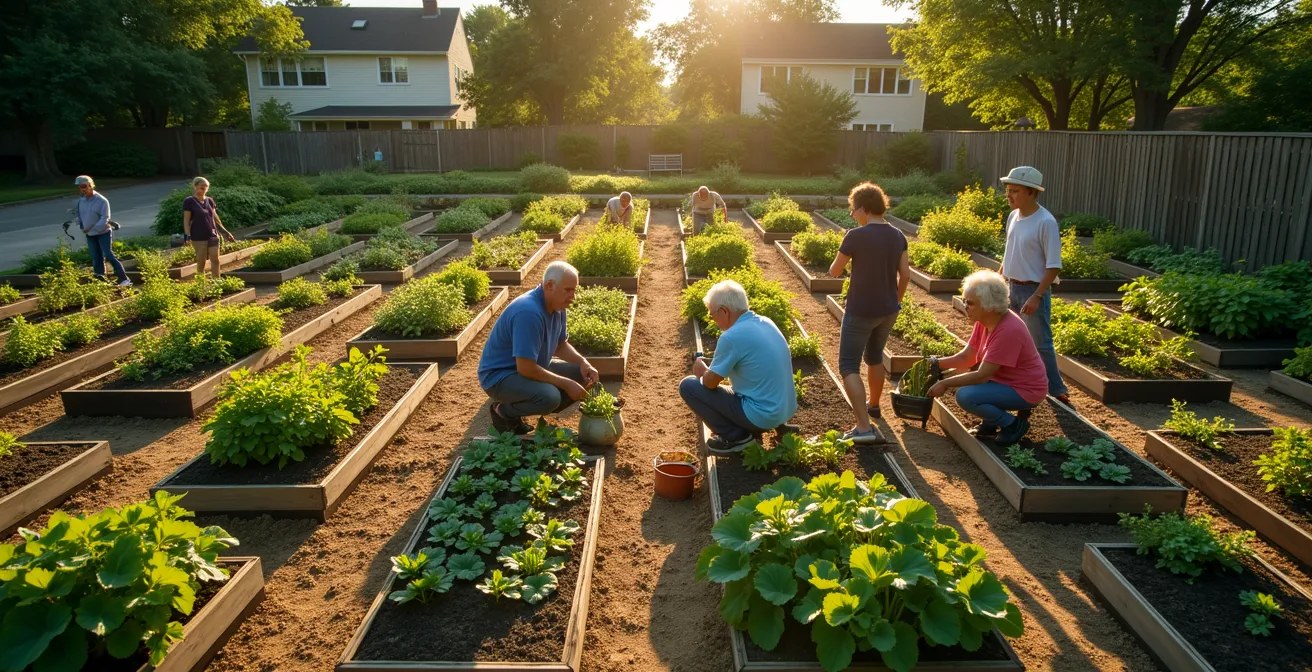
As you can see, environments that foster teamwork and shared purpose are ideal for forming new, meaningful connections. Look for opportunities where you are not just a spectator but an active participant. Start small: commit to trying one new activity for a month. The goal isn’t to find a dozen new best friends overnight, but to plant the seeds of connection and tend to them with consistency. Each new interaction is a step toward a more vibrant and supportive social ecosystem.
The Emotional Trap of Nostalgia That Leads to Senior Depression
Nostalgia can be a warm, comforting feeling, a pleasant journey back to cherished memories. However, when we become stuck in the past, it can transform into a subtle but potent emotional trap. This “maladaptive nostalgia” occurs when looking backward is no longer a source of gentle reflection but a constant comparison that makes the present seem empty and disappointing. It creates a narrative where the “good old days” were the peak, and everything since is a decline. This mindset is a direct path to feelings of loss, dissatisfaction, and, in many cases, clinical depression.
The trap works by creating an idealized, and often inaccurate, version of the past. We tend to remember the highlights and forget the daily struggles. When this glorified past becomes the benchmark for our current happiness, the present can never measure up. This constant negative comparison drains our energy and motivation, making it harder to engage with the opportunities available to us now. It fosters a sense of passivity, as if our best life is already behind us, leaving us as mere spectators of our own existence.
Breaking free from this trap requires a conscious mindset shift. It’s not about forgetting the past, but about changing your relationship with it. As the great physicist Max Planck observed, “When you change the way you look at things, the things you look at change.” Instead of viewing memories as relics of a better time, reframe them as the foundation upon which your current life is built. Acknowledge the experiences and lessons that shaped you, and then consciously turn your focus to the present. Ask yourself: “What new memories can I create today? What new purpose can I find now?” This practice transforms nostalgia from an anchor weighing you down to a rudder that helps you steer toward a more engaged and fulfilling future.
How to Fix Sleep Fragmentation Issues Without Prescription Medication?
Waking up multiple times during the night—a phenomenon known as sleep fragmentation—is one of the most common and frustrating complaints among seniors. It disrupts the restorative cycles of sleep, leading to daytime fatigue, cognitive fog, and a negative impact on mood. While it’s tempting to reach for a prescription, many sleep issues can be significantly improved, or even resolved, by addressing their root causes through lifestyle and environmental adjustments. The goal is to work *with* your body’s natural rhythms, not against them.
A key factor in sleep regulation is your core body temperature. Your body needs to drop its temperature slightly to initiate and maintain deep sleep. You can facilitate this natural process through a few simple but powerful techniques. This involves using temperature strategically to signal to your body that it’s time to rest.
This protocol, focusing on temperature and cognitive relaxation, can retrain your body for consolidated sleep. Here are five non-medicinal strategies to implement:
- Take a warm bath or shower 90-120 minutes before your intended bedtime. This raises your surface skin temperature, which then leads to a compensatory drop in core body temperature, signaling sleep.
- Ensure your bedroom temperature is cool, ideally between 60-67°F (15-19°C). A cool environment is essential for maintaining deep sleep throughout the night.
- Eat a protein-rich breakfast. This helps stabilize your blood sugar and energy levels during the day, preventing crashes that can disrupt your internal clock.
- Have a small, complex-carbohydrate snack (like a piece of whole-wheat toast) about 90 minutes before bed. This can prevent early morning awakenings caused by a drop in blood sugar.
- Practice the ‘Cognitive Shuffling’ technique if you can’t fall asleep. Instead of wrestling with anxious thoughts, visualize a series of random, non-emotive objects (like “lightbulb,” “penguin,” “key”). This scrambles the thought patterns that keep you awake.

Creating a sleep sanctuary, as depicted above, is a critical part of the process. Your bedroom should be a haven for rest, not a multi-purpose room. By combining these environmental and behavioral strategies, you can send a powerful, consistent message to your brain that it’s time for deep, restorative sleep, reducing fragmentation without the side effects of medication.
When to Embrace the “Senior” Label to Access Better Resources?
The word “senior” can feel loaded for many. It might conjure images that don’t align with your vibrant, active self. While it’s natural to resist a label, strategically embracing it can be a powerful act of self-advocacy. In many societal and commercial contexts, “senior” is not a label of decline but a key that unlocks a vast array of resources, discounts, and programs designed to support your well-being and financial health. Viewing this label as a pragmatic tool, rather than a personal identity, can significantly enhance your quality of life.
From healthcare to travel, and from retail to community engagement, specific age milestones open doors to valuable benefits. Resisting the label out of pride can mean leaving significant money on the table and missing out on opportunities for enrichment and support. For example, organizations like AARP provide powerful advocacy and a wealth of information, while Medicare is a cornerstone of healthcare for those 65 and over. Many museums, theaters, and national parks offer reduced admission, making cultural enrichment more accessible. It’s a matter of practicality: if a simple declaration of age can save you money or grant you access, it’s a wise strategy to use it.
Understanding this timeline allows you to proactively plan and take full advantage of the resources you’ve earned. The following table outlines some of the key milestones and the benefits they typically unlock. While specifics can vary by location and company, this provides a general roadmap for accessing these valuable resources, as highlighted by an analysis of senior-focused benefits.
| Age Milestone | Benefits Unlocked | Key Resources |
|---|---|---|
| 50+ | AARP Membership | Discounts, advocacy, publications |
| 55+ | Senior Community Access | Age-restricted housing, senior centers |
| 60+ | Retail Discounts | Most major retailers offer senior discounts |
| 62 | Social Security (Early) | Reduced benefits available |
| 65 | Medicare | Comprehensive health coverage |
| 67 | Full Social Security | Maximum monthly benefits |
Embracing the “senior” label is a strategic choice. It’s about recognizing that you are part of a demographic that holds significant social and economic power. By leveraging this status, you are not admitting defeat; you are wisely and pragmatically claiming the benefits and respect you are due.
Why Social Interaction Boosts Immune System Function by 20%?
We intuitively know that being with people we care about feels good. But the benefits of social interaction go far beyond mood. It is a fundamental biological need, and its absence or presence directly impacts your physical health, particularly the robustness of your immune system. Meaningful social engagement is not just a “nice to have”; it is a non-negotiable component of a healthy aging strategy, acting as a powerful tonic for your body’s defense mechanisms.
The National Institute on Aging offers a clear perspective on this, stating, “Individuals who engage in meaningful, productive activities with others tend to live longer, boost their mood, and have a sense of purpose.” This sense of purpose and connection has a direct biochemical effect. Positive social interactions can reduce levels of stress hormones like cortisol, which, when chronically elevated, suppress immune function. Conversely, feelings of belonging and support can boost the production of beneficial neurochemicals like oxytocin, which has anti-inflammatory properties.
Individuals who engage in meaningful, productive activities with others tend to live longer, boost their mood, and have a sense of purpose.
– National Institute on Aging, NIA Research on Social Isolation
On the flip side, social isolation acts as a chronic stressor. The feeling of being alone or disconnected puts the body in a constant state of low-grade alert. This chronic stress can lead to systemic inflammation, which is a key driver of many age-related diseases. The health risks are significant and comparable to well-known risk factors like smoking or obesity. In fact, studies show social isolation is associated with a 30% increased mortality risk. This staggering figure underscores that loneliness is a critical public health issue. Therefore, actively building and maintaining your social network is a direct investment in your cellular health, strengthening your ability to fight off illness and maintain vitality.
Why the Brain Can Still Grow New Connections at Age 90?
For decades, we believed the brain was a static organ that, after a certain age, began an irreversible decline. This outdated notion has been completely overturned by the discovery of neuroplasticity—the brain’s incredible, lifelong ability to reorganize itself by forming new neural connections. Your brain is not a fixed piece of hardware; it is a dynamic, living system that continuously adapts to your experiences, thoughts, and behaviors. This is arguably the most empowering discovery in modern neuroscience, especially for seniors.
This means that learning a new skill, engaging in a stimulating conversation, or even shifting your perspective can physically change the structure of your brain. Every time you challenge your mind, you are encouraging neurons to form new pathways, strengthening existing ones, and enhancing cognitive resilience. This process of “growing the brain” is not limited by age. It happens at 9, 49, and 90. The key ingredient is novel and challenging stimulation.
The “Counterclockwise” Study: A Landmark in Mindset Research
Dr. Ellen Langer’s landmark “counterclockwise” study powerfully demonstrated this principle. She took a group of men in their 70s and 80s and placed them in a retreat meticulously designed to replicate an environment from 20 years prior. They were instructed to act as if they were their younger selves. After just one week, they showed remarkable physical and cognitive improvements: better posture, increased flexibility, improved vision, and higher scores on intelligence tests. This “psychological intervention” proved that changing one’s mindset could trigger tangible, youthful changes in the body. The study showed that our brains and bodies respond powerfully to the narrative we create about our age and abilities.
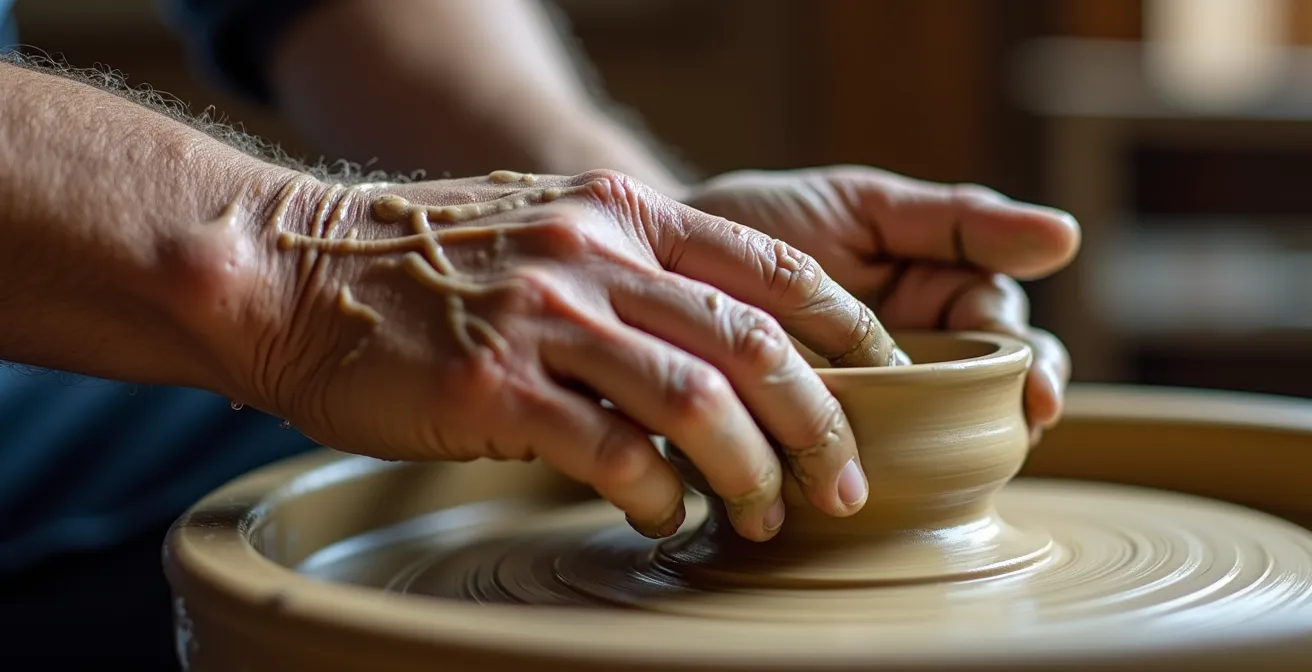
This capacity for change is directly linked to longevity. A positive mindset about aging—seeing it as a time of growth, wisdom, and new opportunities—is a powerful driver of neuroplasticity. This mental framework encourages the very behaviors (learning, socializing, staying active) that build a more resilient brain. The effect on lifespan is astonishing; research shows an extension of 7.5 years for those with positive self-perceptions of aging. This is a greater impact on longevity than that achieved by quitting smoking or starting to exercise later in life. It confirms that your brain is not just a passenger on your aging journey; it is the pilot.
Key Takeaways
- Your optimism is a physical shield, measurably reducing your risk of major health events like cardiovascular disease.
- Meaningful social connection is not just for fun; it’s a form of medicine that directly boosts your immune system and lowers mortality risk.
- Your brain is built for growth at any age. The principle of neuroplasticity means you can physically rewire your brain through new challenges and a positive mindset.
How to Detect the Physical Symptoms of Chronic Isolation in Loved Ones?
Chronic isolation is an invisible epidemic. While we often think of loneliness as a purely emotional state, it manifests in tangible, physical ways that can be observed if we know what to look for. For a loved one who may be hesitant or unable to articulate their feelings, these physical and environmental cues are often the first and most critical warning signs. Recognizing them is the first step toward providing the support and connection they need. The problem is widespread; a nationwide survey revealed that a staggering 57% of seniors feel lonely at least some of the time.
The symptoms of chronic isolation are often subtle and can be easily mistaken for other aspects of aging. One of the first places to look is their environment. A home that was once tidy may show signs of neglect: mail piling up, plants wilting, or the refrigerator filled with expired food. These are not signs of laziness, but often of a dwindling motivation and energy that accompanies deep loneliness. Their personal appearance might also change, with less attention paid to hygiene or grooming.
Pay close attention to changes in their communication and physical complaints. A person suffering from chronic isolation may speak in a more monotone voice, with a slower speech rate and a vocabulary that seems to shrink. They may also begin to report a host of vague, non-specific physical ailments like persistent headaches, digestive troubles, or general aches and pains that have no clear medical cause. These are often the body’s way of expressing the distress the mind cannot. Detecting these signs requires a gentle, observant presence, not an interrogation. The goal is to notice a *change* from their baseline behavior.
Your Action Plan: Checklist for Recognizing Social Isolation
- Environmental Cues: Check for signs of neglect in their living space. Is mail piling up? Are plants dying? Is there expired food in the refrigerator?
- Vocal and Verbal Changes: Listen to their speech. Has their emotional tone become flatter? Is their speech slower or their vocabulary more limited than it used to be?
- Loss of Interest: Look for signs of abandoned hobbies. Is their gardening equipment dusty? Have they stopped working on projects they once cherished?
- Physical Complaints: Note any increase in vague physical symptoms. Are they mentioning more headaches, stomach issues, or general aches without a clear cause?
- Changes in Routine: Observe their personal care and home maintenance. Has there been a noticeable decline in their personal hygiene or the upkeep of their home?
If you observe these signs, approach the situation with compassion and care. The solution isn’t to simply say “You seem lonely,” but to create opportunities for connection. Invite them to join you for a simple walk, bring over a meal to share, or ask for their help with a small task to help them feel needed and valued. These small, consistent acts of inclusion can be the lifeline that pulls someone back from the brink of chronic isolation.
By embracing these strategies, you are not just adding years to your life, but life to your years. The next logical step is to consciously choose one area—be it social connection, sleep, or reframing your mindset—and begin implementing one small, consistent change today. Your journey to a longer, more vibrant life starts now.