
The key to managing age-related weight gain is not eating less, but re-investing your calories in more nutrient-dense, protein-rich foods to fight muscle loss.
- Your metabolism slows, but your body’s need for essential nutrients like protein, vitamins, and minerals actually increases to maintain muscle and function.
- Aiming for a specific target of 25-30g of protein per meal is crucial to overcome “anabolic resistance” and preserve vital muscle mass.
Recommendation: Prioritize protein in every meal and strategically pair carbohydrates with fiber and fat to stabilize blood sugar and energy levels throughout the day.
As a geriatric dietitian, I often see new clients who are frustrated. They report, “I’m eating the same way I always have, but I’m gaining weight and have no energy.” This experience is incredibly common and scientifically predictable. After age 60, our bodies undergo a profound metabolic shift. The usual advice to simply “eat less and move more” is not only unhelpful, it misses the crucial point about the changing nutritional demands of aging. The challenge isn’t just about the quantity of calories, but the quality and strategic timing of your macronutrients—protein, carbohydrates, and fats.
Many popular diets fail to address the specific physiological needs of older adults, focusing on calorie restriction that can dangerously accelerate muscle loss, a condition known as sarcopenia. The real solution lies in a more sophisticated approach. It’s about understanding that while your energy needs decrease, your requirement for muscle-preserving protein and other micronutrients actually increases. This isn’t a dietary restriction; it’s a nutritional reinvestment strategy.
This guide moves beyond generic advice. We will delve into the science of why this metabolic shift happens and provide quantifiable, evidence-based strategies to counteract it. We will explore specific protein targets, compare the most effective dietary patterns for senior health, and offer practical solutions for everything from blood sugar management to meal preparation. The goal is to empower you to work *with* your body’s changes, not against them, turning your nutrition into your most powerful tool for maintaining strength, energy, and independence.
This article will guide you through the essential adjustments needed to master your nutrition in this new phase of life. Below is a summary of the key areas we will cover, from understanding your new caloric reality to implementing practical, daily strategies for optimal health.
Summary: Adjusting Your Nutrition for a Slower Metabolism After 60
- Why Your Caloric Needs Drop But Nutrient Needs Rise After 60?
- Why Losing Muscle Mass After 65 Increases Hospitalization Risk by 50%?
- How to Incorporate 30g of Protein per Meal for Muscle Retention?
- Mediterranean vs DASH Diet: Which Lowers Senior Hypertension Faster?
- How to Swap Butter for Olive Oil in Daily Senior Cooking?
- How to Stabilize Blood Sugar Levels to Prevent Senior Neuropathy?
- The Danger of Thirst Mechanism Failure in Seniors During Summer
- How to Meal Prep Healthy Dinners for One Person Without Food Waste?
Why Your Caloric Needs Drop But Nutrient Needs Rise After 60?
The fundamental paradox of senior nutrition is that your body requires fewer calories yet more specific nutrients. This is primarily driven by changes in your basal metabolic rate (BMR), the energy your body burns at rest. A major factor is the natural decline in muscle mass, which is more metabolically active than fat. Compounding this, research confirms that metabolism slows by about 2-3% each decade after age 25. This “metabolic downshift” means that consuming the same number of calories as you did at 40 will inevitably lead to weight gain at 65.
However, cutting calories indiscriminately is a dangerous mistake. As we age, our bodies become less efficient at absorbing and utilizing key nutrients. This means you need more protein to maintain muscle, more calcium and Vitamin D for bone density, and more B vitamins for cognitive function, all within a smaller caloric budget. This is the concept of nutrient density: getting the most nutritional value from every calorie consumed.
To understand this, it’s helpful to visualize the difference between calorie-dense, nutrient-poor foods and nutrient-dense foods. The illustration below contrasts these two approaches, highlighting how a smaller portion of whole foods can provide far greater nutritional value.
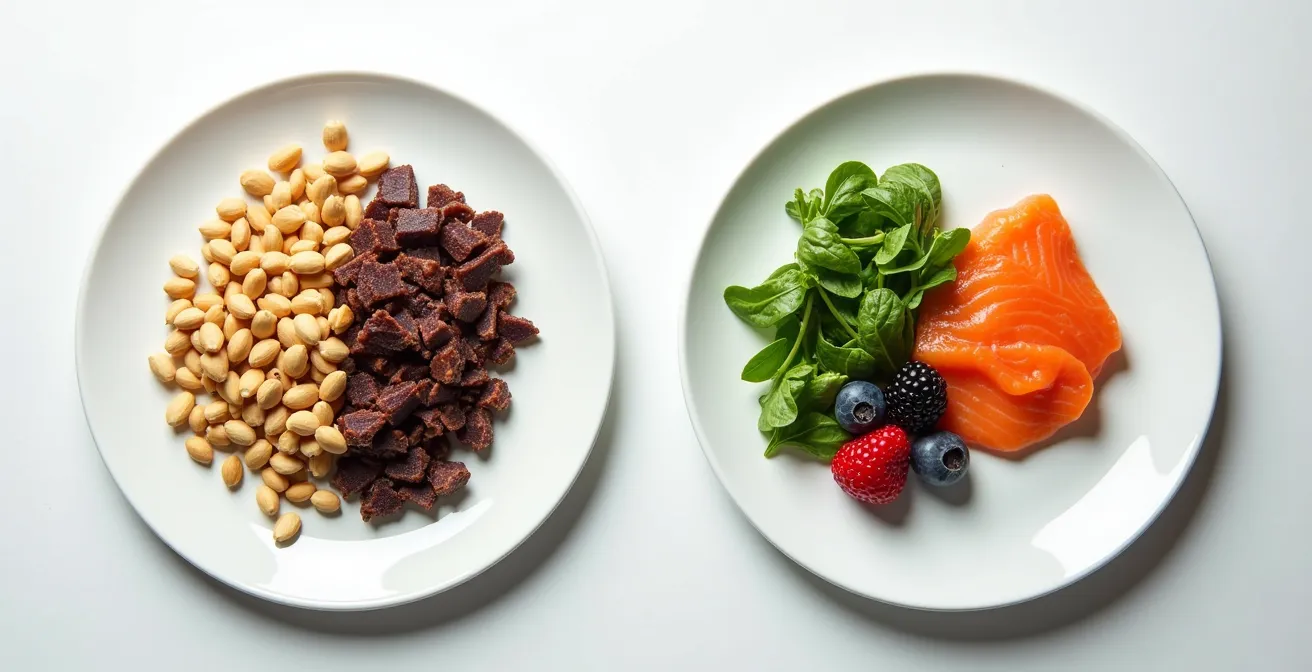
As this visual demonstrates, the focus must shift from quantity to quality. A plate filled with processed foods may be high in calories but low in the vitamins, minerals, and protein your body desperately needs. Conversely, a smaller, thoughtfully composed plate of lean protein, colorful vegetables, and healthy fats provides a wealth of nutrition. This strategic shift is the cornerstone of a healthy, energetic life after 60.
Why Losing Muscle Mass After 65 Increases Hospitalization Risk by 50%?
Sarcopenia, the age-related loss of muscle mass and strength, is not a benign cosmetic issue; it is a serious medical condition with profound health consequences. Muscle is your body’s primary protein reservoir, a critical component of your immune system, and a key regulator of your metabolism. When you lose muscle, you lose a fundamental pillar of your health. The decline begins around age 30 and can accelerate dramatically after 65, especially in a state of poor nutrition or inactivity.
This loss of muscle directly impacts your stability and strength, dramatically increasing the risk of falls and fractures—a leading cause of hospitalization and loss of independence in older adults. Furthermore, muscle tissue plays a vital role in glucose metabolism. Less muscle means your body has a harder time managing blood sugar, increasing the risk of type 2 diabetes. This cumulative impact is what makes sarcopenia so dangerous. In fact, research indicates that anorexia of aging leads to a significantly higher risk for immune deficiency, frequent falls, and cognitive deficits.
This creates a vicious cycle. Lower muscle mass leads to a lower metabolic rate, making weight gain easier and energy levels lower. This fatigue often leads to reduced physical activity, which in turn accelerates muscle loss. As the experts at the StrongerLife Fitness Program state, this downward spiral can be rapid and unforgiving.
Losing just 1lb of muscle lowers your resting metabolic rate, creating a downward spiral.
– StrongerLife Fitness Program, Macronutrients for the Older Adult
Preventing sarcopenia is therefore not just about fitness; it’s a primary strategy for preventing hospitalization and maintaining a high quality of life. The single most effective nutritional tool to combat this is adequate, well-timed protein intake.
How to Incorporate 30g of Protein per Meal for Muscle Retention?
To combat sarcopenia, the goal is not just to eat more protein, but to eat it strategically. Older adults experience a phenomenon called “anabolic resistance,” which means their muscles are less responsive to the growth signals from protein. To overcome this, you need a larger dose of protein at one time to trigger muscle protein synthesis effectively. Research suggests that a target of 25-30 grams of protein per meal is optimal for maximizing this effect.
Spreading your protein intake evenly throughout the day is far more effective than consuming the majority of it at dinner, as is common in Western diets. For a 68kg (150lb) person, the daily goal should be around 80-100g of total protein. Achieving 30g per meal can seem daunting, but it’s achievable with smart planning. For example, a breakfast of Greek yogurt with nuts, a lunch with a 4-ounce chicken breast, and a dinner with a 4-ounce salmon fillet will easily meet this target. For those with a low appetite, a “protein pulsing” strategy, where you concentrate your protein into your two largest meals, can also be effective.
Not all proteins are created equal. The amino acid leucine is particularly potent at stimulating muscle growth. The table below shows the protein and leucine content in common foods, helping you make high-impact choices. A good target is to aim for about 2.5-3.0g of leucine per meal.
| Food Source | Serving Size | Protein (g) | Leucine (g) |
|---|---|---|---|
| Greek Yogurt | 1 cup | 23 | 2.5 |
| Chicken Breast | 4 oz | 35 | 3.2 |
| Lentils + Brown Rice | 1.5 cups combined | 20 | 2.8 |
| Cottage Cheese | 1 cup | 25 | 2.9 |
| Salmon | 4 oz | 30 | 3.0 |
If chewing is difficult or appetite is poor, consider fortifying foods. Adding unflavored protein powder to soups, oatmeal, or mashed potatoes is an excellent way to boost intake without adding volume.
Mediterranean vs DASH Diet: Which Lowers Senior Hypertension Faster?
For seniors, managing blood pressure is as critical as managing weight. Two dietary patterns consistently stand out for their cardiovascular benefits: the Mediterranean diet and the DASH (Dietary Approaches to Stop Hypertension) diet. While both are excellent, recent evidence suggests one may have a slight edge for lowering blood pressure more rapidly in older adults.
The DASH diet focuses specifically on nutrients known to lower blood pressure, emphasizing fruits, vegetables, and low-fat dairy while limiting sodium, red meat, and sweets. The Mediterranean diet takes a broader approach, focusing on whole foods, with an emphasis on olive oil, nuts, fish, and legumes. A landmark study, the NU-AGE trial, demonstrated that adherence to a Mediterranean diet resulted in a significant -5.5 mm Hg systolic BP reduction after 1 year in older adults.
More recently, a 2023 head-to-head trial provided even clearer insight. According to a randomized controlled trial published in the American Journal of Clinical Nutrition, both diets combined with salt restriction were effective, but the Mediterranean diet was superior in lowering office systolic blood pressure over a 3-month period. This suggests that the unique combination of high monounsaturated fats (from olive oil and nuts) and anti-inflammatory compounds in the Mediterranean pattern provides a faster-acting benefit for hypertension.
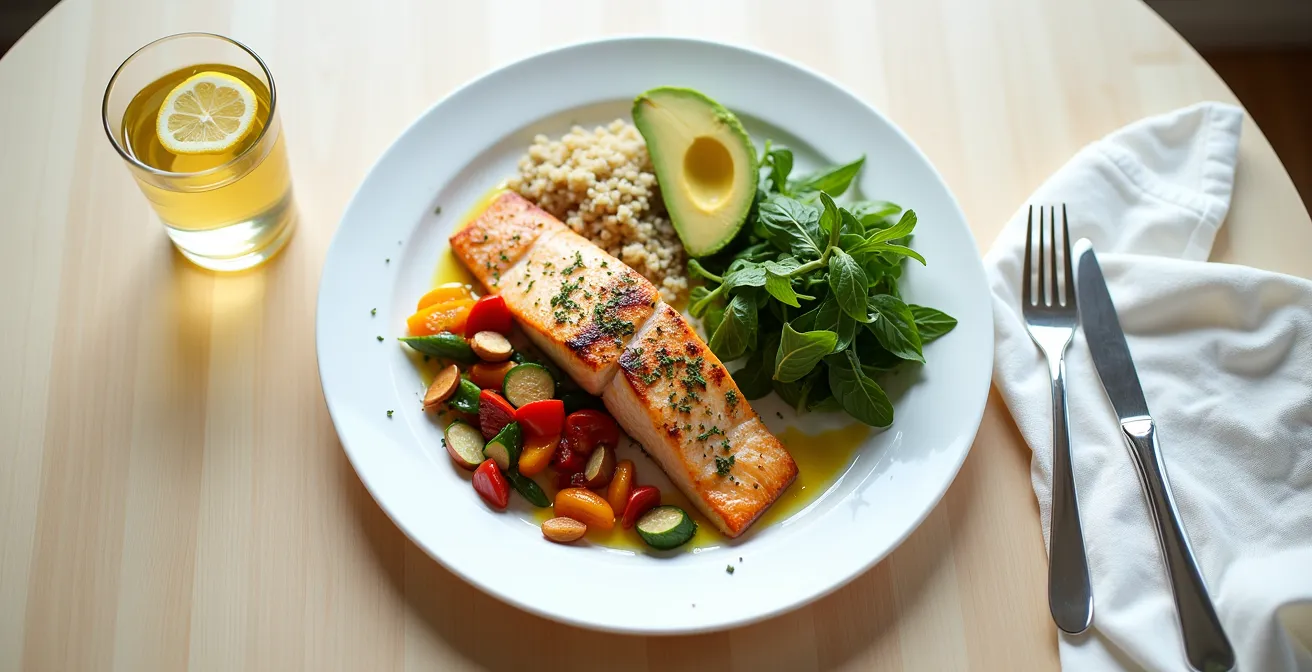
Ultimately, the best diet is one you can stick to. As the image above illustrates, the principles of both diets can be combined to create a powerful, heart-healthy eating plan. A hybrid approach, incorporating the high olive oil and fish intake of the Mediterranean diet with the structured sodium limits of the DASH diet, likely offers the most comprehensive benefits for senior cardiovascular health.
How to Swap Butter for Olive Oil in Daily Senior Cooking?
Adopting a Mediterranean-style diet means making olive oil, not butter, your primary fat source. This single change can have a massive impact on your cardiovascular health, replacing saturated fat with heart-healthy monounsaturated fats and powerful antioxidants called polyphenols. However, for those accustomed to the taste and texture of butter, the transition can be challenging. The key is a gradual and strategic approach, not an abrupt replacement.
Start by introducing olive oil in recipes where its flavor is a natural fit, such as in salad dressings or for sautéing vegetables for pasta sauce. For baking, where butter provides structure and flavor, you can’t always do a 1:1 swap. Begin by replacing half the butter with a delicate, light-flavored olive oil to get accustomed to the taste. In recipes like muffins or quick breads, you can typically substitute three-quarters of a cup of olive oil for one cup of butter.
Another easy win is to use olive oil as a finishing condiment. A drizzle of robust, fruity olive oil over steamed vegetables, soups, or even plain yogurt can add a burst of flavor and a significant dose of healthy fats. Remember that heat degrades the beneficial polyphenols in olive oil, so using it “raw” as a finishing touch is a great way to maximize its health benefits. The following checklist provides a step-by-step plan to make the transition smooth and successful.
Your action plan: Transitioning from butter to olive oil
- Start with a blend: For cooking, mix olive oil and butter to get used to the flavor, gradually increasing the oil’s ratio over time.
- Introduce it in compatible recipes first: Begin using olive oil in vinaigrettes, marinades, and pasta sauces where its flavor shines.
- Choose the right oil for the job: Use light, delicate olive oils for baking, fruity ones for dressings, and robust, peppery ones for finishing dishes.
- Find easy opportunities for a drizzle: Add a splash of olive oil to soups, yogurt, or steamed vegetables to easily boost your healthy fat intake.
- Store it correctly: To preserve its beneficial compounds, always keep your olive oil in a dark, cool place, away from the stove.
By implementing these small, consistent changes, you can successfully shift your primary fat source and reap the extensive benefits of olive oil without feeling like you’re making a sacrifice.
How to Stabilize Blood Sugar Levels to Prevent Senior Neuropathy?
For seniors, maintaining stable blood sugar is not just about preventing diabetes; it’s about protecting your nerves. Chronically elevated blood glucose levels can damage the tiny blood vessels that supply your nerves, leading to peripheral neuropathy—a painful condition causing numbness, tingling, and burning sensations, most often in the feet and hands. The key to prevention is managing how your body processes carbohydrates through smart macronutrient pairing.
A cardinal rule is to never eat carbohydrates “naked.” Consuming carbs alone—like a piece of toast or a bowl of plain pasta—causes a rapid spike in blood sugar. By pairing those carbohydrates with protein, healthy fats, or fiber, you slow down their digestion and absorption, leading to a much gentler, more gradual rise in blood glucose. For example, instead of plain toast, have toast with avocado and an egg. Instead of an apple alone, have it with a handful of almonds or a piece of cheese.
Another powerful, evidence-based technique is “food sequencing.” Studies show that eating your vegetables and protein *before* you eat your carbohydrates in a meal can significantly blunt the post-meal glucose spike. Physically, the fiber and protein create a sort of “mesh” in your stomach that slows the release of the sugars from the carbs that follow. A simple, 10-15 minute walk after meals also acts as a potent “glucose disposal” tool, helping your muscles soak up excess sugar from the bloodstream.
Finally, portion control remains essential. The “plate method” is a simple, visual way to manage this without counting calories: fill half your plate with non-starchy vegetables, one-quarter with lean protein, and the final quarter with a complex, high-fiber carbohydrate like quinoa, sweet potato, or brown rice. This structure naturally promotes blood sugar stability.
The Danger of Thirst Mechanism Failure in Seniors During Summer
While much focus is placed on food, one of the most immediate dangers for seniors, especially during warmer months, is dehydration. This risk is amplified because the body’s natural thirst mechanism becomes less reliable with age. You can be significantly dehydrated before you even begin to feel thirsty. This “thirst mechanism failure” means you cannot rely on thirst as an accurate gauge of your body’s need for water.
Dehydration in seniors can quickly lead to serious complications, including urinary tract infections, confusion, dizziness, and falls. It thickens the blood, forcing the heart to work harder and increasing cardiovascular strain. Therefore, a proactive hydration architecture is not optional; it’s a critical safety measure. Instead of waiting for thirst, you must build a routine around fluid intake.
A simple yet effective strategy is to link hydration to existing daily habits. For instance:
- Drink a full glass of water immediately upon waking.
- Have a glass of water before each meal.
- Take a water bottle with you on your daily walk.
- Set hourly reminders on a phone or clock if memory is a concern.
Don’t rely on thirst; monitor your hydration level by checking the color of your urine. It should be a pale, straw-like yellow. If it’s dark, you are already dehydrated. Remember that you can also “eat” your water. Including hydrating foods like cucumbers (96% water), watermelon (92% water), and soups in your diet contributes significantly to your overall fluid intake. And for electrolyte replacement, opt for natural sources like broth or coconut water over sugary sports drinks.
Key takeaways
- Sarcopenia (muscle loss) is a major health risk after 65, and combating it with adequate protein (25-30g per meal) is a top priority.
- The Mediterranean diet, rich in olive oil, fish, and nuts, has been shown to lower blood pressure more effectively in seniors than the DASH diet alone.
- Never eat carbohydrates alone; always pair them with protein, fat, or fiber to stabilize blood sugar and prevent dangerous glucose spikes.
How to Meal Prep Healthy Dinners for One Person Without Food Waste?
Putting all this nutritional advice into practice can be challenging when you’re cooking for one. The risk of food waste is high, and the motivation to cook elaborate meals can be low. The solution is not to cook less, but to cook smarter with a “component prep” or “cook once, repurpose thrice” mentality. This approach saves time, reduces waste, and ensures you always have a healthy, balanced meal ready to go.
The “Cook Once, Repurpose Thrice” method is based on a versatile protein centerpiece. For example:
- Day 1: Roast a whole chicken with root vegetables for a classic, hearty dinner.
- Day 2: Shred leftover chicken and mix it with Greek yogurt, celery, and herbs for a high-protein chicken salad. Serve it in a whole-wheat wrap with greens.
- Day 3: Use the remaining chicken carcass to make a nourishing bone broth. Add the last of the leftover chicken and vegetables for a simple, satisfying soup.
Alternatively, the “Component Prep” strategy involves cooking individual ingredients in batches. At the start of the week, you can cook a pot of quinoa, roast a large tray of mixed vegetables, and grill several chicken breasts or salmon fillets. Store these components in separate containers in the fridge. Each night, you can assemble a different “bowl” by mixing and matching, perhaps adding a different sauce or a handful of nuts for variety. This prevents flavor fatigue while ensuring your meals are always balanced. To avoid waste when shopping, utilize the salad bar for small quantities of vegetables and ask the butcher for single portions of meat or fish.
Finally, practice mindful eating and use your own hands as a portion guide. As recommended by Precision Nutrition, this practical method avoids obsessive calorie counting. A palm-sized portion of protein, a fist-sized portion of vegetables, and a cupped-hand portion of carbohydrates is a simple, effective way to build a balanced plate for one.