Accessible housing
Creating a living space that supports independence and safety becomes increasingly important as mobility needs evolve. Whether due to aging, injury, or disability, the ability to navigate one’s home with confidence directly impacts quality of life and dignity. Accessible housing isn’t merely about installing a grab bar or widening a doorway—it represents a comprehensive approach to environmental design that anticipates needs, prevents accidents, and preserves autonomy for years to come.
The journey toward accessibility involves understanding multiple interconnected elements: professional evaluations that identify hidden risks, strategic modifications that balance safety with aesthetics, financial considerations that make projects feasible, and design principles that create truly functional spaces. This comprehensive overview will walk you through each essential component, providing the foundational knowledge needed to make informed decisions whether you’re adapting an existing home, searching for accessible rental options, or purchasing property with long-term livability in mind.
Why Professional Assessment Matters Before Making Changes
Many homeowners begin accessibility projects by addressing the most obvious challenges—perhaps adding a ramp or installing a higher toilet. However, this reactive approach often leads to costly mistakes and incomplete solutions. A professional occupational therapist or certified aging-in-place specialist brings an objective, trained perspective that identifies risks you might overlook and prioritizes modifications based on both current and anticipated needs.
The evaluator’s role extends beyond a simple walkthrough. These professionals analyze your specific mobility patterns, health trajectory, and daily routines to create a customized adaptation plan. They measure doorway widths, assess lighting levels, evaluate flooring transitions, and identify potential fall hazards. Think of this assessment as similar to an architect’s site survey—without understanding the complete picture, you risk building solutions that don’t address the actual problems.
Timing this evaluation strategically can save significant resources. Conducting an assessment before a health crisis occurs allows for phased implementation, spreading costs over time and avoiding emergency modifications done under pressure. The process typically takes two to three hours and results in a detailed report prioritizing modifications by urgency and impact. This document becomes invaluable when discussing projects with contractors, applying for funding assistance, or making real estate decisions.
Finding and Evaluating Accessible Living Spaces
For many individuals, adapting an existing home proves less feasible than relocating to a property better suited to accessibility needs. This decision involves weighing emotional attachment against practical realities, financial implications, and long-term livability considerations.
Rental Versus Purchase Considerations
The rental market for truly accessible housing remains limited in most areas, but it offers flexibility and lower upfront costs. When evaluating rental options, focus on essential structural features that cannot be easily modified: entrance accessibility, bathroom layouts, hallway widths, and turning radiuses. Many landlords will permit minor modifications like grab bar installation, but major structural changes typically remain prohibited. Document all accessibility features in writing before signing any lease to ensure they’re maintained throughout your tenancy.
Key Features That Cannot Be Easily Added Later
During property searches, certain characteristics deserve immediate disqualification if absent. Single-level living or elevator access, doorways measuring at least 32 inches clear width, bathrooms with adequate maneuvering space, and reinforced walls capable of supporting grab bars represent non-negotiable elements. Conversely, features like lever door handles, improved lighting, and minor threshold modifications can be added relatively inexpensively. Understanding this distinction prevents you from eliminating viable properties or investing in unsuitable ones.
The emotional weight of relocation stress shouldn’t be underestimated. Moving represents more than changing addresses—it often means leaving familiar neighborhoods, established support networks, and spaces filled with memories. Plan for a transition period, maintain connections with former communities when possible, and recognize that safety and independence ultimately provide the foundation for continued quality of life, regardless of location.
Essential Design Principles for Accessible Spaces
Universal design—creating environments usable by all people without adaptation—provides the philosophical framework for accessible housing modifications. Rather than creating obviously “medical” or institutional-looking spaces, effective accessibility integrates seamlessly with attractive, contemporary design.
The core principles include equitable use (avoiding segregation or stigmatization), flexibility to accommodate varying abilities, simple and intuitive operation, perceptible information through multiple sensory channels, tolerance for error, low physical effort, and appropriate size and space for approach and use. These aren’t merely theoretical concepts—they translate directly into practical decisions about everything from faucet selection to furniture placement.
For example, a curbless shower with decorative tile and frameless glass appears elegant in any bathroom while eliminating dangerous thresholds. Open floor plans with wide traffic lanes accommodate mobility devices while creating spacious, modern aesthetics. Multi-level lighting controlled by easily-operated switches or voice commands serves both accessibility needs and contemporary smart home trends. When modifications align with broader design preferences, they add value rather than limiting future resale potential.
The Bathroom: Your Home’s Critical Safety Zone
Statistical analysis consistently identifies bathrooms as the highest-risk area for falls and injuries, particularly for older adults and people with mobility challenges. The combination of hard surfaces, water exposure, frequent position changes, and limited maneuvering space creates a perfect storm of hazards. Prioritizing bathroom modifications often yields the greatest safety improvement per dollar invested.
Slip Resistance and Flooring Choices
Surface selection dramatically impacts safety. Look for flooring with a dynamic coefficient of friction (DCOF) rating of at least 0.42 for wet areas—this technical measurement indicates adequate slip resistance when surfaces are wet. Textured porcelain tile, vinyl with slip-resistant coatings, and rubber flooring all provide safer alternatives to polished ceramic or natural stone. Even small format tiles can improve traction through increased grout line friction, though they require more maintenance to prevent mold growth in joints.
Strategic Grab Bar Placement
Grab bars function as essential safety equipment only when properly positioned and installed. Near toilets, horizontal bars placed 33-36 inches above the floor assist with sitting and standing transitions. Shower and tub areas benefit from both horizontal and vertical bars, with exact placement depending on individual height and transfer methods. Installing bars into solid wood blocking behind walls—ideally placed during construction or renovation—ensures they can withstand 250-300 pounds of force without pulling free. Decorative grab bars now come in finishes matching contemporary fixtures, eliminating the clinical appearance of traditional chrome safety bars.
Shower Seating and Temperature Control
Built-in or fold-down shower seats enable safe bathing for individuals who cannot stand for extended periods. Position seats 17-19 inches high (standard chair height) and ensure adequate space for side transfers if needed. Wall-mounted options preserve floor space while providing stability. Equally important, anti-scald valves and thermostatic mixing valves prevent dangerous temperature fluctuations that can cause burns—a particular risk for individuals with reduced sensation or slower reaction times. These relatively inexpensive devices should be standard in any accessible bathroom.
Creating Barrier-Free Pathways Throughout Your Home
Mobility within living spaces requires more than wide doorways—it demands attention to every element along travel paths. Small obstacles that ambulatory individuals hardly notice can present significant challenges or complete barriers for wheelchair users, individuals with walkers, or those with visual impairments.
Floor Transitions and Threshold Solutions
Even minor height differences between flooring materials create tripping hazards and impede wheeled mobility devices. Changes exceeding 1/4 inch require beveled transitions, while anything over 1/2 inch necessitates ramping. Modern threshold systems include low-profile transition strips, flush track pocket door systems, and carefully planned flooring heights that eliminate level changes entirely. When replacing flooring, coordinate materials and subfloor heights to maintain continuous surfaces throughout the home.
Working Heights and Reach Ranges
Kitchen and bathroom counters, light switches, thermostats, and storage all require consideration of comfortable reach ranges. Standard counter heights of 36 inches prove too high for seated users; incorporating varied counter sections at 28-34 inches expands functionality. Similarly, lowering switches and controls to 48 inches or below ensures accessibility without compromising convenience for standing users. These adjustments support aging in place by accommodating changing abilities over time.
Hardware, Lighting and Clearance Improvements
Replacing round door knobs with lever handles eliminates the need for tight gripping and twisting—a simple modification with outsized impact for individuals with arthritis or limited hand strength. This change costs minimal amounts per door while dramatically improving daily function. Lighting pathways deserve equal attention; motion-activated lights in hallways, stairs, and bathrooms prevent dangerous navigation in darkness. Ensure vertical clearances of at least 80 inches along all circulation routes, addressing low-hanging light fixtures, décor, or architectural features that might pose head injury risks.
Doorway Widening and Circulation Solutions
Standard residential doorways measuring 30-32 inches provide insufficient clear width for most wheelchairs and many walkers. Creating truly accessible circulation requires understanding various modification approaches, their costs, and appropriate applications for different situations.
When Structural Widening Makes Sense
Full structural widening—removing existing framing and installing wider doors—represents the most expensive but most effective solution. This approach typically costs several hundred to over a thousand dollars per doorway depending on whether walls are load-bearing and what systems (electrical, plumbing) must be relocated. Prioritize widening for critical pathways: entrances, bathrooms, and bedrooms. Secondary spaces may function adequately with less extensive modifications.
Offset Hinges and Swing-Clear Hardware
Offset hinges swing doors completely clear of openings, adding approximately 2 inches to usable width without any structural modification. These specialized hinges cost modestly per door and install with basic carpentry skills. While they won’t transform a 28-inch doorway into a fully accessible opening, they can make the difference between a wheelchair passing through comfortably versus not fitting at all. This solution works best for borderline-width doorways where full reconstruction seems excessive.
Pocket Door Alternatives
Pocket doors slide into wall cavities rather than swinging, eliminating the door swing footprint while maximizing clear opening width. However, installation requires significant wall modification and proves impossible where plumbing, electrical, or structural elements occupy wall cavities. For new construction or major renovations, pocket doors provide excellent accessibility, particularly in bathrooms where maneuvering space is limited. Retrofit installations require careful evaluation of wall contents and structural implications.
Wall Protection and Turning Radius Planning
Mobility devices inevitably contact walls, door frames, and corners during navigation. Installing corner guards, chair rails, and impact-resistant wall coverings in high-traffic areas prevents damage while reducing maintenance costs. Equally important, plan adequate turning radiuses—wheelchairs require 60-inch diameter clear circles to execute 180-degree turns. Evaluate room layouts, furniture placement, and circulation patterns to ensure these critical maneuvering spaces exist where needed: bathrooms, bedrooms, and hallway intersections.
Funding Your Accessibility Modifications
The financial investment in home accessibility varies dramatically based on project scope, from a few hundred dollars for minor improvements to tens of thousands for comprehensive renovations. Understanding available funding sources transforms overwhelming projects into manageable phases.
Multiple programs provide financial assistance for accessibility modifications. Veterans may qualify for Special Housing Adaptation grants or Home Improvements and Structural Alterations benefits through the VA. Some state Medicaid programs cover home modifications when they prevent more costly institutional care. Non-profit organizations focused on aging or disability sometimes offer grants or low-interest loans for qualifying individuals. Tax deductions for medical expenses may include home modifications prescribed by healthcare providers.
When analyzing return on investment, consider both immediate safety improvements and long-term value. Quality accessibility modifications increasingly appeal to broader markets as populations age, potentially enhancing rather than limiting resale prospects. Document all work professionally, retain permits and inspection records, and emphasize universal design elements that serve diverse users rather than appearing narrowly specialized.
Strategic timing of major changes can significantly impact both costs and effectiveness. Coordinate accessibility modifications with planned renovations—adding blocking for future grab bars during bathroom remodeling costs almost nothing, while retrofitting it later requires opening walls. Similarly, addressing accessibility during necessary repairs (roof replacement, HVAC upgrades, flooring installation) leverages existing disruption and contractor mobilization, reducing overall project costs.
Accessible housing represents far more than physical modifications—it embodies dignity, independence, and the fundamental right to safe, comfortable living spaces. Whether you’re beginning to explore options, actively planning modifications, or helping loved ones navigate these decisions, understanding the interconnected elements of professional assessment, strategic design, financial planning, and practical implementation provides the foundation for successful outcomes. Each home and individual presents unique circumstances, but the principles of thoughtful evaluation, prioritized improvements, and quality execution remain constant across all accessibility projects.
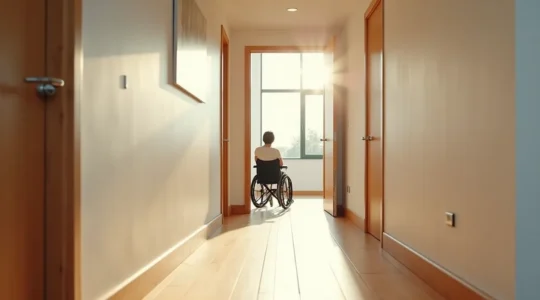
How to Widen a Doorway Without Moving Load-Bearing Walls?
Receiving a quote for thousands of dollars to widen a doorway for wheelchair access can feel defeating. However, before considering demolition, a structural engineer’s approach reveals several low-cost, non-invasive strategies. By focusing on smart hardware like swing-clear hinges and strategic…
Read more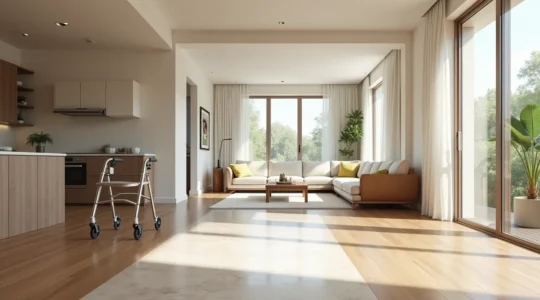
A Fall Prevention Audit: Finding Hidden Hazards in Open-Concept Homes
In summary: The open design of modern homes creates subtle but significant fall risks that go beyond obvious clutter. Identifying these hazards requires an “auditor’s eye” focused on the interaction between a person and their environment. Key areas to inspect…
Read more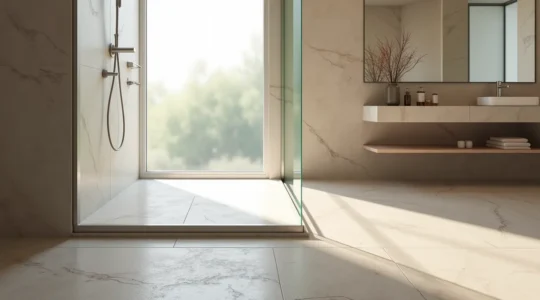
The Expert’s Guide to a Leak-Proof Curbless Shower Design
A curbless shower’s biggest risk—water leakage—is solved not by a single product, but by designing an integrated water management system. The floor’s slope and slip-resistant texture (R11 or DCOF ≥0.60) are the first line of defense for controlling water flow….
Read more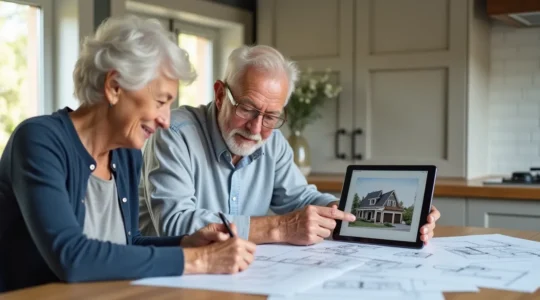
How to Hunt for Universal Design: A Savvy Retiree’s Guide to Real Estate Value
Searching for a home with universal design isn’t about preparing for decline; it’s a strategic investment in a high-value, future-proof asset. Treating features like zero-step entries and wider hallways as luxury upgrades, not medical needs, unlocks significant long-term resale value….
Read more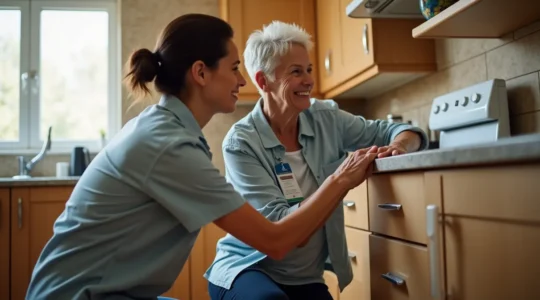
A Consultant’s Guide to Preparing for an Occupational Therapy Home Assessment
In summary: An Occupational Therapist (OT) evaluates the interaction between you, your activities, and your home environment, a perspective contractors lack. Success in securing renovation grants hinges on providing detailed, structured documentation of daily struggles, not just listing them. DIY…
Read more